What Is Corn Silage?
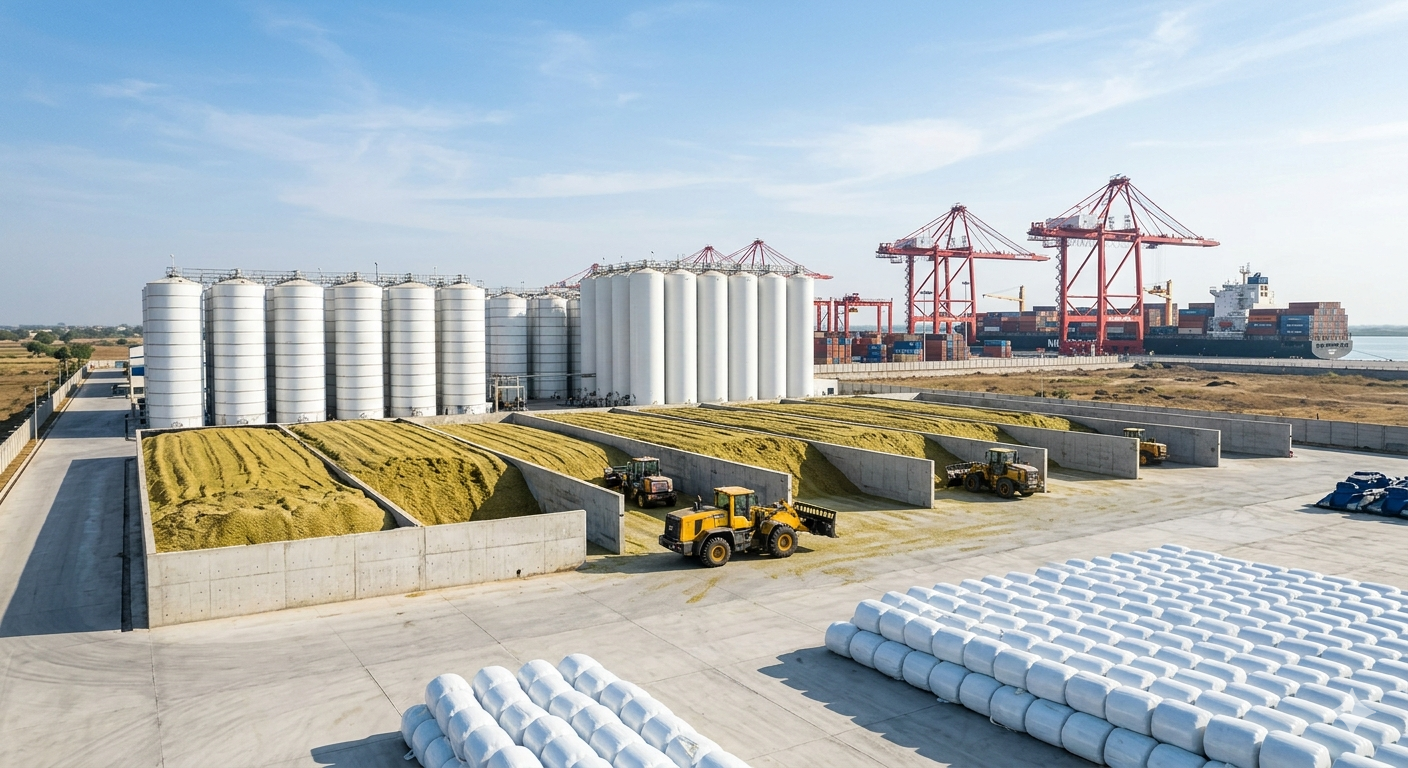
Corn silage is made by harvesting the entire corn plant — stalk, leaves, and cob — when the grain is at the two-thirds milk-line dough stage. At this point, the plant has reached its highest combination of digestible starch (in the developing grain) and digestible fibre (in the leaves and stalk). The harvested material is chopped, compacted to remove oxygen, and sealed for fermentation.
During fermentation, naturally occurring lactic acid bacteria convert plant sugars into lactic acid, which drops the silage pH to 3.8–4.2. This acidic environment preserves the nutritional content and prevents spoilage for 12 months or more in properly sealed storage.
The key figure is metabolizable energy: at 10–11 MJ/kg DM, corn silage delivers 20–25% more energy per kilogram than typical dry hay. For a high-producing cow requiring 130–140 MJ of energy daily, this difference is significant — it means the same intake volume produces substantially more milk.
The specific requirements depend on the product type and its ingredient composition. Processed compound pellets face different requirements than raw forage or silage. Always verify current import conditions on the DAFF biosecurity imports database before finalising your order.
Request a product datasheet and quality test report from any Indian supplier before committing to a shipment. Accredited laboratory analysis is standard for export-grade product from a professional Indian exporter like RaahaExim.
1. Higher Energy Supply for Milk Production
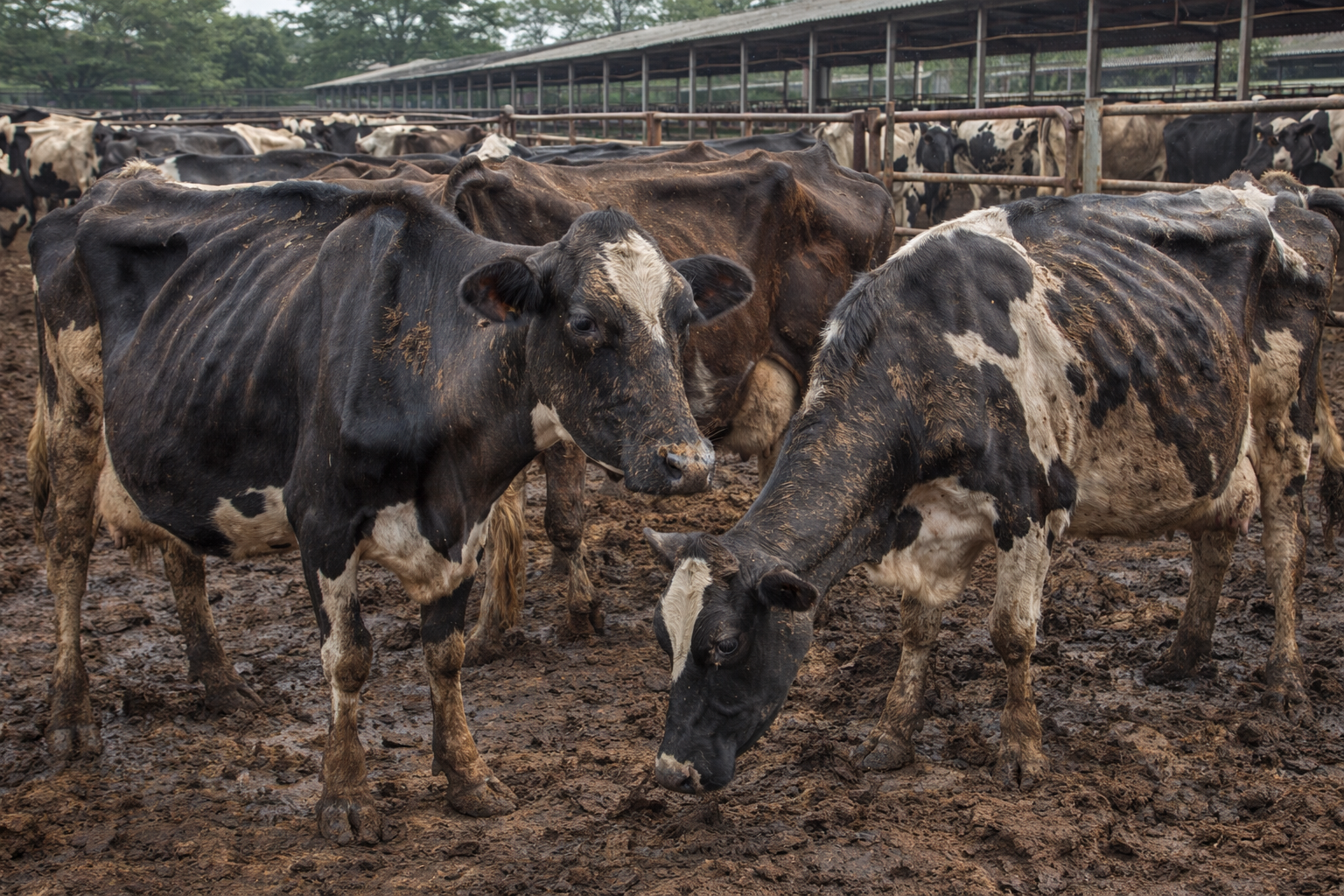
Milk synthesis is energy-intensive. When the ration is energy-deficient, cows mobilise body fat — reducing milk output and compromising fertility. Corn silage’s high starch and digestible fibre content provides sustained energy release without triggering rumen acidosis, supporting consistent milk production through peak lactation.
2. Improved Rumen Health
Request a product datasheet and quality test report from any Indian supplier before committing to a shipment. Accredited laboratory analysis is standard for export-grade product from a professional Indian exporter like RaahaExim.
3. Year-Round Fodder Security
In markets where green forage availability is seasonal — including parts of Europe, Australia, and the United Kingdom — corn silage fills the nutritional gap during winter or dry periods. Properly sealed bales or bunkers maintain nutritional quality for over a year, making silage an effective fodder security strategy.
4. Better Fertility and Herd Longevity
Energy balance in early lactation directly affects reproductive performance. Cows in severe negative energy balance after calving take significantly longer to return to oestrus and conceive. Corn silage’s energy density helps cows maintain adequate body condition through peak lactation, improving conception rates and calving intervals.
How to Source Export-Grade Corn Silage from India
India’s large agricultural base and year-round corn production capacity make it a competitive source for corn silage buyers in Australia, the UK, New Zealand, and Europe. When sourcing from an Indian exporter, confirm: