Why Indian Cattle Feed Exports Are Growing: An Opportunity for Global Buyers
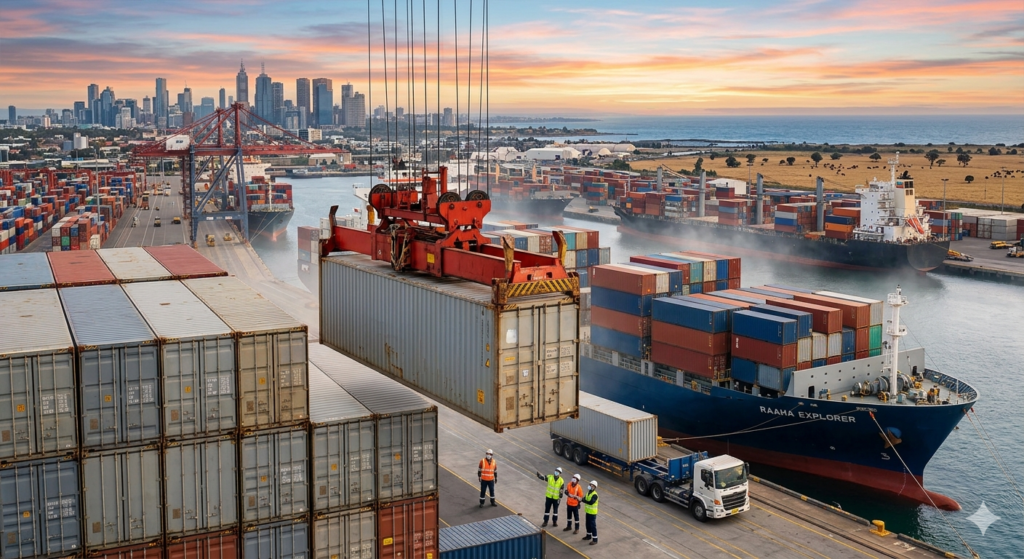
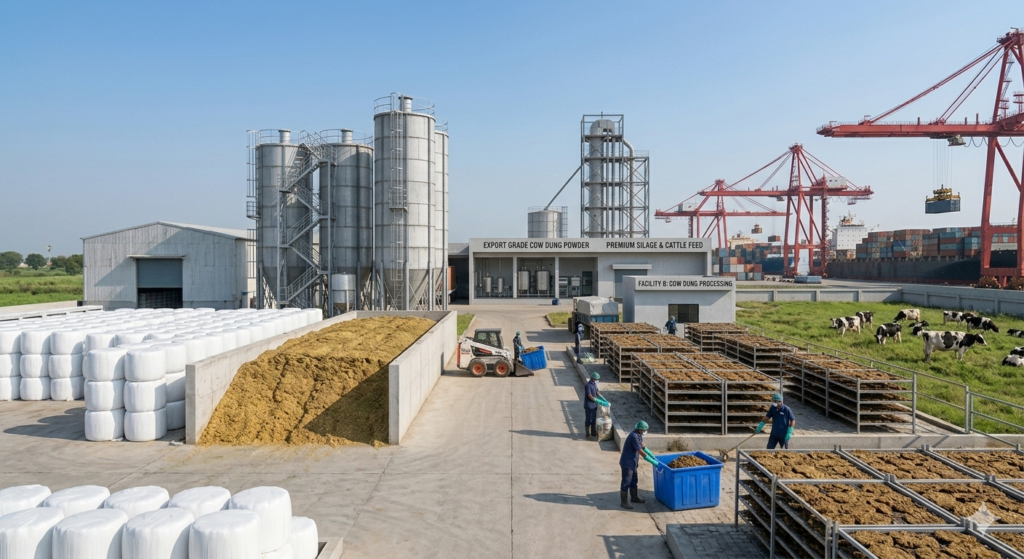
info / March 24, 2026 / Blog Why Indian Cattle Feed Exports Are Growing: An Opportunity for Global Buyers India’s animal feed industry has undergone a significant transformation over the past decade. What was once a fragmented, low-technology sector has evolved into a sophisticated, process-driven industry — and international buyers are beginning to take notice. India’s Competitive Position in Cattle Feed Several factors make India a competitive source for cattle nutrition products: Raw material availability is the starting point. India produces vast quantities of the key ingredients in cattle feed — corn, soybean meal, wheat bran, rice bran, groundnut meal, molasses, and mineral supplements. The depth of the domestic raw material base keeps input costs competitive relative to feed manufacturing in higher-cost markets. Labour and processing costs are a fraction of those in the UK, USA, or Australia. This cost advantage flows through to the final product — making Indian-origin cattle feed pellets significantly cheaper per unit than domestically produced equivalents in most destination markets. Quality has improved dramatically. Investment in modern pelleting technology, quality testing laboratories, and export-oriented processing infrastructure means that Indian cattle feed manufacturers can now meet the quality and documentation standards demanded by international buyers. What Global Buyers Are Sourcing from India Compound cattle feed pellets Corn silage Bypass protein supplements (heat-treated protein sources) Mineral and vitamin premixes Cow dung powder (for organic farming and incense applications) The most common cattle nutrition products imported from India include: Key Considerations for Buyers Not all Indian cattle feed exporters are equal. The rapid growth of the export sector has attracted companies with varying levels of quality control, documentation capability, and export experience. When evaluating Indian cattle feed suppliers, prioritise: IEC registration and active RCMC from the relevant export promotion council Quality test reports from accredited third-party laboratories Experience with destination country documentation requirements Transparency about raw material sourcing and processing practices References from existing international buyers The RaahaExim Approach RaahaExim is an IEC-registered Indian export company focused on the cattle nutrition and natural farm solutions sector. We export cattle feed pellets, corn silage, and premium cow dung powder to buyers in the USA, UK, Australia, New Zealand, and Europe — with full compliance documentation, consistent quality, and dedicated account management. If you are a buyer looking to source cattle nutrition products from India for the first time, we welcome your inquiry. Post Tags : This post , No term , Example only Share :
5 Signs Your Dairy Cattle Are Not Getting Adequate Nutrition
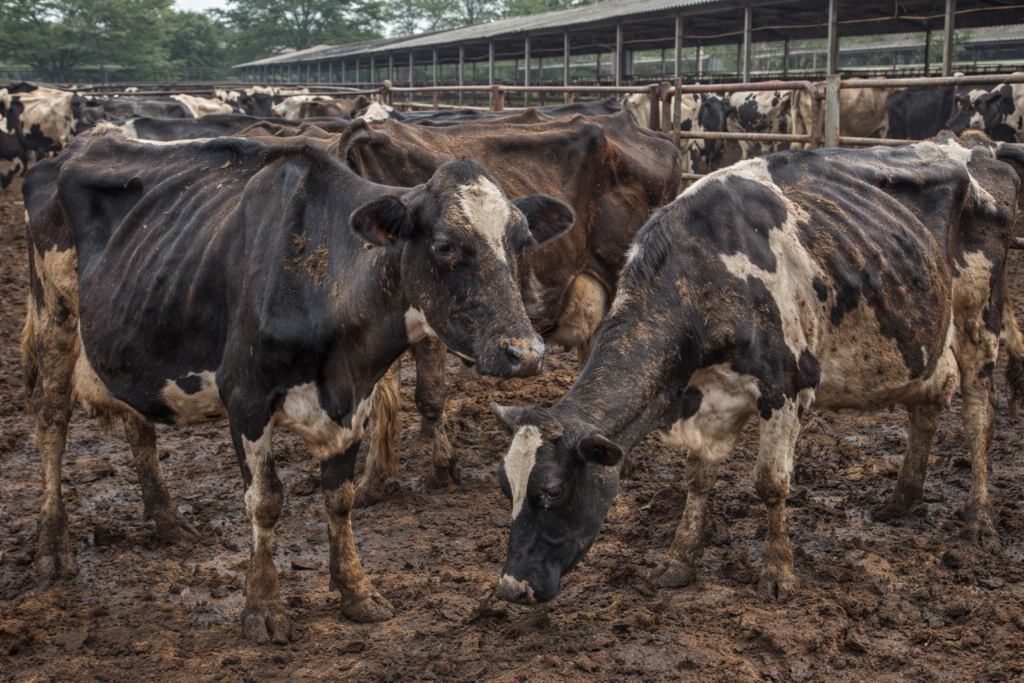
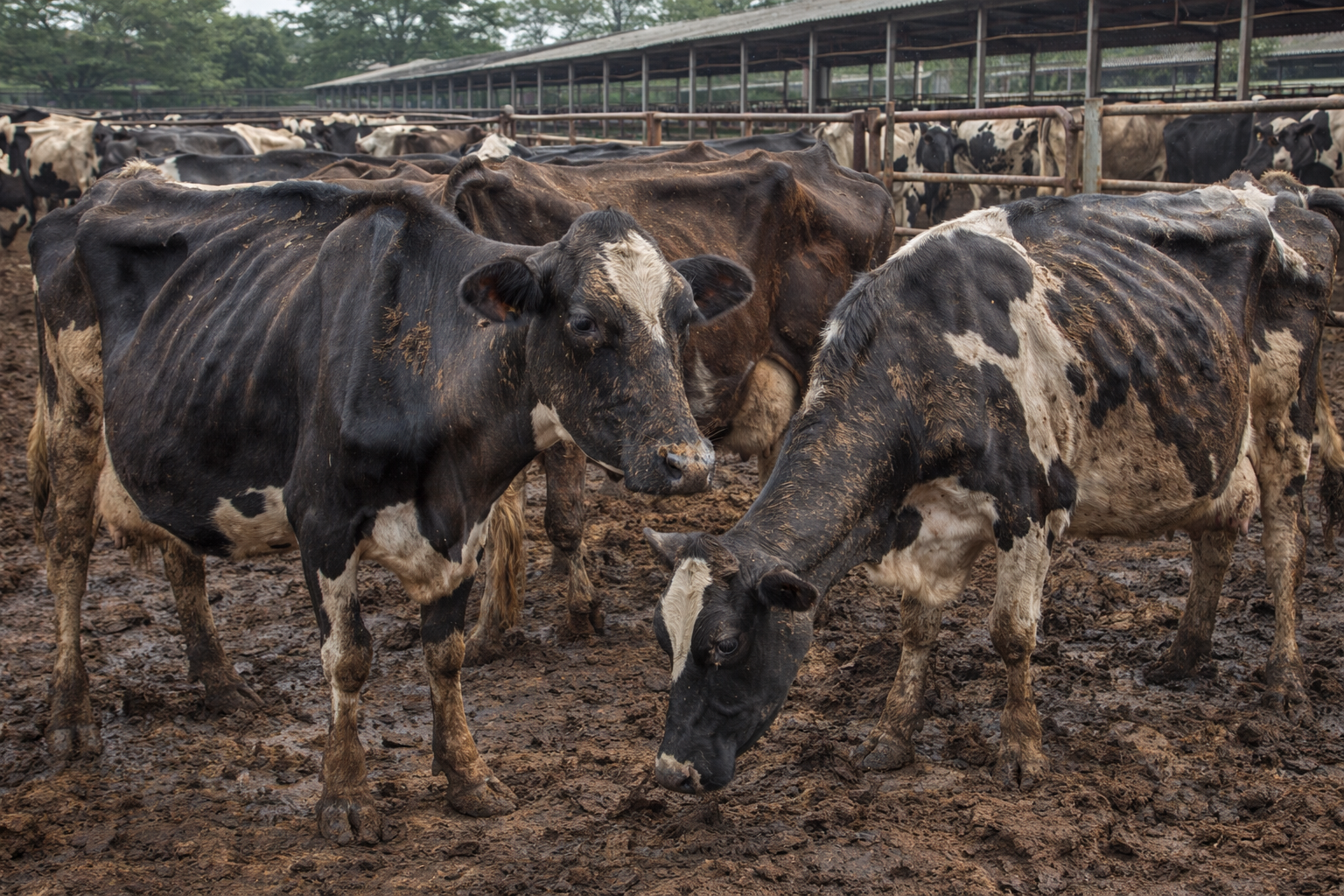
info / March 24, 2026 / Blog Cattle do not announce when they are malnourished. But they show you — in their milk, their coat, their behaviour, and their reproductive performance. Here are the five signs every dairy farmer should know. 5 Signs Your Dairy Cattle Are Not Getting Adequate Nutrition A steady milk production curve is the first indicator of good nutrition. If your cows produce well one week and drop the next, or if peak production is lower than expected, the most likely cause is energy or protein deficiency in the ration. High-yielding dairy cows in peak lactation require enormous daily energy inputs. When feed does not supply enough metabolizable energy, the cow draws on body fat and muscle — a process called negative energy balance. Milk production drops as a result, and the cow’s body condition deteriorates. Fix: Introduce a higher-energy ration — corn silage for energy, balanced pellets for protein and minerals. Monitor the energy density of the total ration. Sign 2: Poor Body Condition Score Run your hand along the backbone and ribs of your dairy cow. If you can feel the spine prominently and see the ribs clearly, the cow is in poor body condition — she is drawing on body reserves to compensate for nutritional shortfall. Thin cows have lower fertility, higher disease risk, and shorter productive lives. Body condition score should be assessed monthly in lactating cows and corrected through nutrition adjustment before it becomes severe. Fix: Increase energy and protein supplementation. Ensure mineral and vitamin supplementation, particularly calcium, magnesium, and fat-soluble vitamins around the transition period. Sign 3: Low Milk Fat or SNF If your milk quality results show fat or SNF below standard, the rumen is not working optimally. Low milk fat usually indicates either insufficient dietary fibre (causing subacute rumen acidosis) or low energy density in the ration. Low SNF typically indicates protein deficiency. Fix: Review the roughage component of the ration — cows need adequate long-fibre to stimulate rumen motility and saliva production. Increase protein supplementation if SNF is the primary concern. Sign 4: Reproductive Problems Poor fertility — delayed return to heat after calving, low conception rates, or high rates of early embryo loss — is strongly linked to nutritional status, particularly energy balance in early lactation. A cow that calves in poor body condition or drops rapidly into severe negative energy balance after calving often takes 100+ days to return to conception — compared to 60–80 days in well-nourished animals. This has a direct impact on the farm’s calving interval and annual milk income. Fix: Prioritise transition cow nutrition in the 3 weeks before and after calving. High-energy, balanced rations in early lactation are the single most effective intervention for fertility. This creates what progressive dairy operations call the double income model: optimised feed investment pays for itself through higher milk revenue, while premium dung by-products add a second revenue stream. Sign 5: Dull Coat, Lethargy, or Lameness A healthy dairy cow has a shiny, smooth coat, bright eyes, and alert behaviour. Dull coat, rough hair, lethargic behaviour, or frequent lameness are all signs of mineral or vitamin deficiency. Zinc deficiency causes skin and hoof problems. Vitamin E and selenium deficiency impairs immunity. Magnesium deficiency increases the risk of grass tetany. These deficiencies are common on unbalanced rations and they are all preventable through correct mineral supplementation. Fix: Use a complete mineral and vitamin premix appropriate for your production system and region. Regular blood sampling can identify specific deficiencies before they become severe. Post Tags : This post , No term , Example only Share :
Exporting Organic Farm Inputs from India: What Overseas Buyers Need to Know
info / March 24, 2026 / Blog Exporting Organic Farm Inputs from India: What Overseas Buyers Need to Know Organic farming is growing globally. In the UK, USA, Australia, New Zealand, and across Europe, organic certification requirements have increased the demand for high-quality, verified organic inputs — and India, with its deep tradition of natural farming and large cattle population, is an important source. This article is for overseas buyers looking to import organic farming inputs from India — specifically cow dung-based products, bio-inputs, and natural fertilisers. Why India Is a Source for Organic Farm Inputs India has one of the world’s largest cattle populations — over 300 million animals. The country has a deep, centuries-old tradition of using cow-derived inputs in farming, with sophisticated knowledge of Panchagavya, jeevamrit, vermicompost, and other biological soil amendments. The combination of raw material availability, processing knowledge, and cost structure makes India a competitive source for organic farm inputs for buyers in higher-cost markets. What Products Are Available The primary cow dung-based products exported from India for organic farming use include: Cow dung powder (dried, processed) Vermicompost (worm-processed cow dung) Panchagavya concentrate Cow urine-based bio-stimulants Jeevamrit and similar fermented preparations Quality Considerations The most important quality variable in cow dung products is the source animal’s nutrition. Dung from nutritionally balanced cattle with a healthy, active rumen microbiome contains significantly higher populations of beneficial microorganisms — the key ingredient in any bio-input. Buyers should ask Indian suppliers about: What the cattle are fed Whether the feed is scientifically formulated or based on residues/grazing What processing method is used — sun-drying, controlled drying, fermentation What quality tests are performed on each batch Documentation for Import For most countries, cow dung products require at minimum: Phytosanitary certificate Quality test report from an accredited laboratory Declaration of intended use (organic farming, not animal consumption) MSDS where required by destination country regulations Choosing the Right Indian Supplier Look for an Indian export company that controls the entire supply chain — from cattle nutrition to dung collection and processing. This vertical integration is the only way to guarantee consistent quality. RaahaExim controls the cattle nutrition programme, the dung collection, and the processing — giving buyers full traceability from cow to container. Post Tags : This post , No term , Example only Share :
What Is Panchagavya and Why Does Cow Dung Quality Matter?
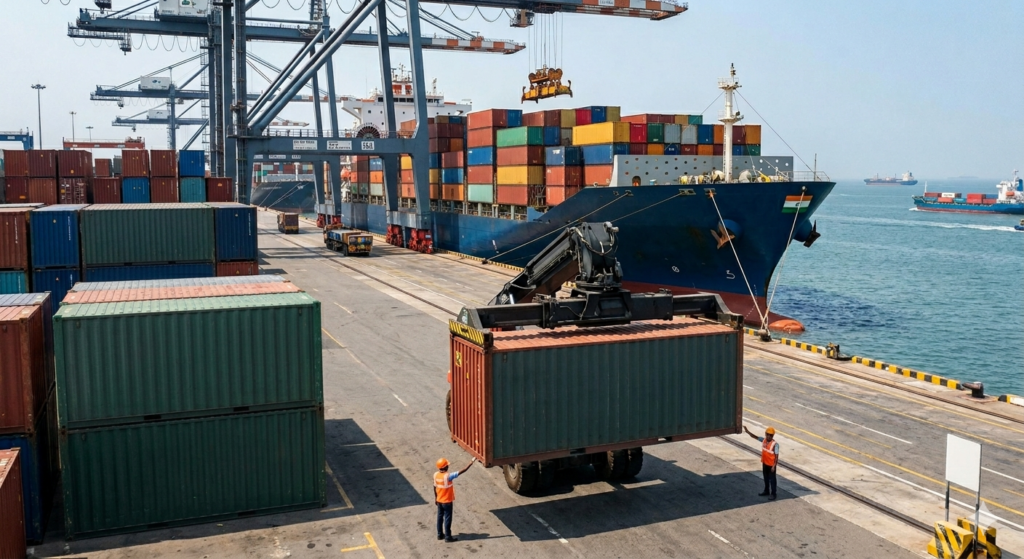
info / March 24, 2026 / Blog What Is Panchagavya and Why Does Cow Dung Quality Matter? Panchagavya is one of the oldest and most scientifically validated bio-stimulants in traditional Indian agriculture. Literally meaning “five products of the cow,” Panchagavya is a fermented mixture of cow dung, cow urine, milk, curd, and ghee — used to promote plant growth, soil health, and crop immunity in organic farming systems. Over the past decade, as organic farming has grown globally — including in the UK, Australia, the USA, and across Europe — interest in Panchagavya as a natural, chemical-free crop treatment has grown with it. What Panchagavya Does for Plants Applied to crops as a foliar spray or soil drench, Panchagavya: Stimulates plant growth through naturally occurring plant growth hormones, amino acids, and micronutrients Improves soil microbial populations — increasing beneficial bacteria and fungi that support nutrient availability Strengthens plant immunity to fungal diseases and pest attacks Improves germination rates, root development, and overall crop vigour Has been shown in multiple Indian agricultural research studies to increase crop yield by 10–20% compared to untreated controls The controlling legislation is the retained version of EU feed regulations incorporated into UK law, primarily the Feed Hygiene Regulation (EC) 183/2005 as retained and amended. This covers composition, labelling, safety, and import certification for all animal feed entering Great Britain. Important: Northern Ireland follows different rules under the Windsor Framework and broadly remains aligned with EU feed regulations. If importing to Northern Ireland, verify current requirements separately. Why Cow Dung Quality Is Central Cow dung is the most important ingredient in Panchagavya — providing the majority of the beneficial microorganisms and organic compounds that make the preparation effective. But not all cow dung carries the same microbial load. The diversity and density of beneficial microorganisms in cow dung is directly related to the rumen health and nutritional status of the cow. Well-fed cows with healthy, active rumen microbiomes produce dung rich in Bacillus, Lactobacillus, and other beneficial genera. Poorly fed cows produce dung with low microbial activity and limited agricultural value. This is why cow dung sourced from nutritionally balanced, well-managed cattle — like the cattle in RaahaExim’s integrated nutrition system — produces superior Panchagavya compared to dung collected from random sources. Importing Cow Dung for Panchagavya Production As global demand for Panchagavya and related bio-inputs grows, organic input manufacturers in the UK, Australia, and the USA are beginning to import certified, high-quality cow dung powder from India — where the tradition of dung-based bio-inputs is deeply rooted and the supply chain is well-established. RaahaExim exports export-grade cow dung powder specifically suited for Panchagavya production and other bio-input formulations — with consistent composition, high microbial content, and full quality documentation. Post Tags : This post , No term , Example only Share :
The Double Income Model: How Cattle Nutrition Creates Revenue Beyond Milk
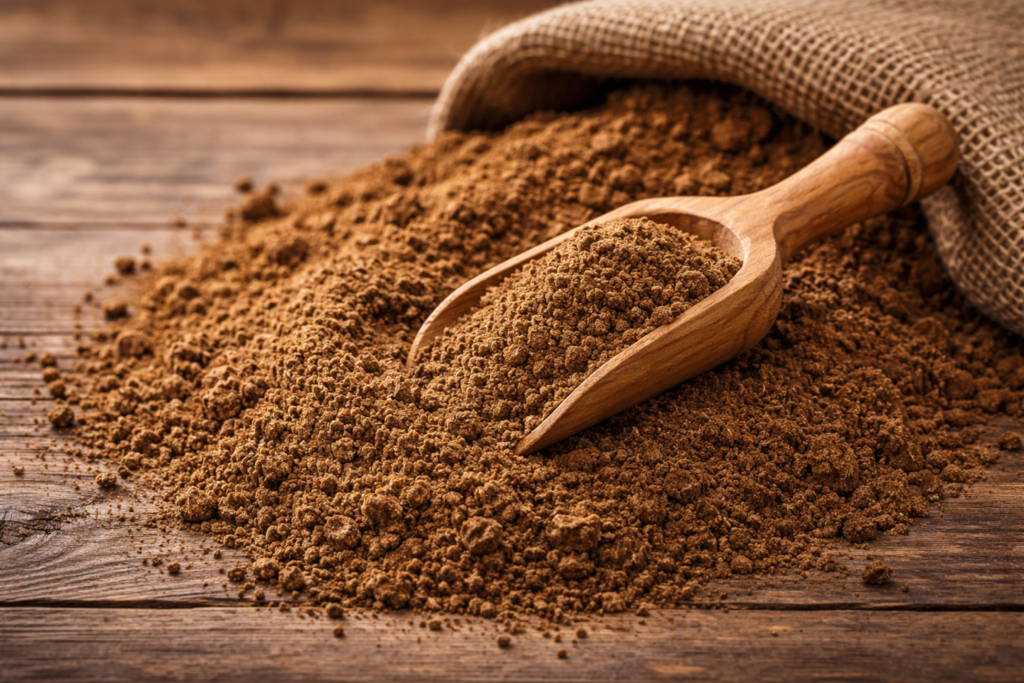
info / March 23, 2026 / Blog The Double Income Model: How Cattle Nutrition Creates Revenue Beyond Milk Most dairy farmers think of cattle feed as a cost. The progressive ones are beginning to understand it is an investment — with returns that go well beyond the milk price. Here is a practical breakdown of how better cattle nutrition creates revenue at two levels. Income Stream 1: Higher Milk Yields and Better Milk Prices This is the most obvious return on nutrition investment. When cows are fed a scientifically formulated ration, they produce more milk — consistently. Farm data from balanced feeding programmes across India and internationally shows typical improvements of 10–25% in daily yield within 4–6 weeks of diet change. But it is not just volume. Milk quality — measured by fat percentage and SNF (Solids Not Fat) — also improves. In most dairy markets, premium milk (higher fat, higher SNF) commands a higher price per litre. In export markets — which is increasingly the direction Indian dairy is heading — the quality gap between well-nourished and poorly-nourished herd milk becomes commercially significant. The economics are straightforward: higher yield + better quality = more revenue per cow per day. Over a 100-cow herd, even a modest improvement of 2 litres per cow per day at the current milk price represents significant annual income uplift. Income Stream 2: Premium Cow Dung for Commercial Markets Organic farming and soil enrichment — as chemical fertiliser prices have risen globally, organic farmers are increasingly paying premium prices for high-quality cow dung powder as a soil amendment and microbial inoculant. Incense stick manufacturing (Agarbatti, Dhoop, Sambrani) — the premium incense industry demands cow dung powder with specific burning, binding, and aroma properties. Only dung from nutritionally balanced cows delivers these properties consistently. Indian exporters like RaahaExim supply this market globally. Panchagavya and bio-input production — natural farming inputs based on cow-derived ingredients are growing globally, and the raw material premium for quality cow dung continues to increase. The proportions of each ingredient are calculated based on the target animal’s daily nutritional requirements — which differ significantly between a cow producing 15 litres per day and one producing 35 litres per day. Connecting the Dots The cow that eats better produces more milk AND produces dung that is worth more. The investment in better feed pays for itself through the milk income improvement — and the dung revenue is almost pure additional profit. This is the double income model that forward-thinking dairy farmers and farm cooperatives are beginning to build into their financial planning. The cows are doing the same work. The difference is what they are fed. Post Tags : This post , No term , Example only Share :
How to Import Animal Feed from India to the UK: Regulations and Requirements
info / March 23, 2026 / Blog How to Import Animal Feed from India to the UK: Regulations and Requirements Since Brexit, animal feed imports into the United Kingdom follow a separate regulatory framework from the European Union. For UK dairy farmers, feed distributors, and agricultural importers looking to source cattle feed or related products from India, understanding the post-Brexit import regime is essential before placing an order. This guide covers the regulatory requirements, documentation, and practical steps for importing animal feed from India to the UK. The UK Regulatory Framework for Animal Feed Imports Animal feed imports into the UK are governed by two primary bodies: The Animal and Plant Health Agency (APHA) — responsible for animal feed safety, import health certificates, and border inspections The Food Standards Agency (FSA) — responsible for feed safety standards and the UK Feed Hygiene Regulation The controlling legislation is the retained version of EU feed regulations incorporated into UK law, primarily the Feed Hygiene Regulation (EC) 183/2005 as retained and amended. This covers composition, labelling, safety, and import certification for all animal feed entering Great Britain. Important: Northern Ireland follows different rules under the Windsor Framework and broadly remains aligned with EU feed regulations. If importing to Northern Ireland, verify current requirements separately. What Documentation Is Required? Prior Notification via IPAFFS All animal feed imports must be pre-notified through the Import of Products, Animals, Food and Feed System (IPAFFS) before the consignment arrives at the UK border. This must be done by the UK importer or their customs broker at least one working day before arrival. Health Certificate or Certificate of Conformity For compound feed, a certificate of conformity from the Indian exporter confirming the product meets UK feed safety standards is required. Your Indian supplier must be able to provide this without you having to guide them — it is a standard competency of an experienced export company. Phytosanitary Certificate For products of plant origin — including plant-based feed ingredients, forages, and silage — a phytosanitary certificate issued by NPPO India is required by UK border authorities. English-Language Labelling All animal feed entering the UK must be labelled in English with declared analytical constituents, feeding instructions, and composition information in accordance with the UK Feed Labelling Regulations. Choosing a Compliant Indian Supplier The single most important factor in a smooth UK import is choosing an Indian exporter who understands UK-specific requirements — not just general export documentation. Ask any prospective Indian cattle feed supplier: Have you exported animal feed to the UK specifically? Can you provide a APHA-compatible health certificate or certificate of conformity? Are your labels compliant with UK feed labelling regulations? Can you provide a phytosanitary certificate for plant-derived ingredients? Are you IEC registered, and do you have RCMC certification? RaahaExim is an IEC-registered Indian export company with experience in international regulatory compliance. Contact us to discuss your product requirements and receive a compliance overview specific to your destination port and product category. Using a Licensed UK Customs Broker For your first import from India, using a licensed UK customs broker is strongly recommended. They will manage IPAFFS notification, border health check coordination, import duty calculation, and any APHA inspection requirements on your behalf. The cost is typically offset by avoiding delays and compliance errors that could result in consignment rejection. Related: How to Import Cattle Feed from India to Australia → Post Tags : This post , No term , Example only Share :
Cow Dung Powder for Incense Sticks: What Buyers Need to Know
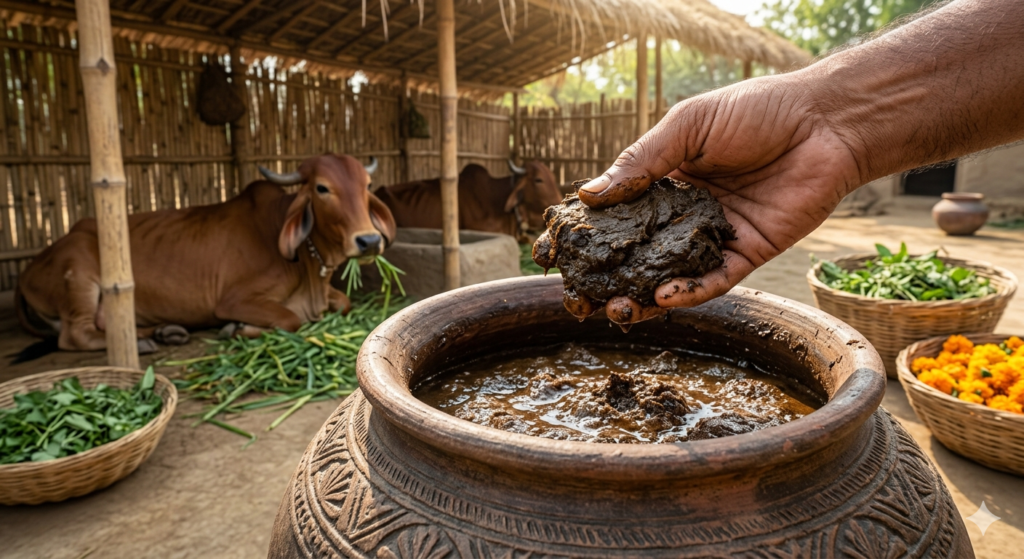
info / March 23, 2026 / Blog Cow Dung Powder for Incense Sticks: What Buyers Need to Know Cow dung powder is one of the primary raw materials in traditional Indian incense manufacturing — used in Agarbatti (stick incense), Dhoop (cone incense), and Sambrani (cup incense). For incense manufacturers in the UK, USA, Australia, and Europe sourcing this ingredient from India, quality is the central concern — and quality is determined by one factor most buyers have not yet considered: what the cows were fed. This guide explains what cow dung powder is, what quality factors matter for incense manufacturing, and how to identify a reliable cow dung powder exporter from India. What Is Cow Dung Powder? Cow dung powder is processed, dried, and powdered bovine dung — collected, hygienically treated to reduce pathogens, dried to a consistent moisture level, and ground to the particle size required by the end application.. In incense manufacturing, cow dung powder serves three functions: it acts as a combustion fuel (allowing the incense to sustain a burn), a natural binder (providing structural cohesion to the stick or cone), and an aromatic base (contributing a clean, earthy background scent to the incense blend). The key figure is metabolizable energy: at 10–11 MJ/kg DM, corn silage delivers 20–25% more energy per kilogram than typical dry hay. For a high-producing cow requiring 130–140 MJ of energy daily, this difference is significant — it means the same intake volume produces substantially more milk. Import permit from DAFF (required for most compound animal feed categories) Phytosanitary certificate issued by India’s National Plant Protection Organisation (NPPO India) — an authorised issuing body operating under DGFT A signed declaration confirming the product is free from specified pests and pathogens Heat treatment certificate for certain product categories (varies by ingredient composition) Compliance with labelling requirements under Australian feed standards The specific requirements depend on the product type and its ingredient composition. Processed compound pellets face different requirements than raw forage or silage. Always verify current import conditions on the DAFF biosecurity imports database before finalising your order. Why Cow Nutrition Determines Incense Quality This is the part most incense buyers do not know — and it explains why cow dung powder from different Indian suppliers varies so dramatically in performance. The quality of cow dung is a direct reflection of the cow’s rumen health and nutritional status. When a cow is fed a scientifically balanced diet — such as the cattle feed pellet and corn silage system used at RaahaExim — the rumen microbiome is highly active and diverse. The result is dung that is: Well-digested: minimal unfermented fibre, smooth and uniform texture Microbe-rich: high populations of beneficial bacteria, contributing to binding and combustion properties Clean-smelling: natural earthy aroma rather than the sharp, foul odour of dung from poorly nourished animals Consistent batch to batch: because the feed is consistent, the dung is consistent Dung from free-grazing or poorly fed cattle is the opposite: variable in composition, rough in texture, often pungent, and with poor burning behaviour. For premium incense manufacturers, this variability is commercially unacceptable. Key Quality Factors for Incense-Grade Cow Dung Powder When evaluating cow dung powder from any supplier, verify these eight quality parameters before placing a bulk order. Quality Factor What to Look For Burning quality Even, sustained burn with no flare-ups or self-extinguishing Smoke output Minimal smoke — not thick or acrid during combustion Aroma Natural, clean earthy smell — not foul or pungent Texture Smooth, fine, uniform powder — free from coarse or undigested fibre Binding property Holds shape when mixed with other incense ingredients — no crumbling Moisture content Below 10% for stable long-term storage and consistent burning Batch consistency Same properties across every production run — no batch-to-batch variation Source traceability Supplier can clearly confirm the feeding system and nutrition programme of the source cattle What Documentation Should You Request? For international buyers importing cow dung powder from India, standard documentation should include: Quality test report from an accredited laboratory (moisture, ash content, organic matter) Phytosanitary certificate from NPPO India (for most destination countries) MSDS (Material Safety Data Sheet) where required by destination country regulations Certificate of origin RaahaExim exports premium cow dung powder from nutritionally balanced cattle in Gujarat, India — with full quality documentation and consistent batch quality for incense manufacturers in the UK, USA, Australia, New Zealand, and Europe. Contact us for a sample and pricing. Related: What Is Panchagavya and Why Does Cow Dung Quality Matter for Organic Farming? → Post Tags : This post , No term , Example only Share :
Corn Silage for Dairy Cattle: Benefits, Nutrition Facts, and How to Source It
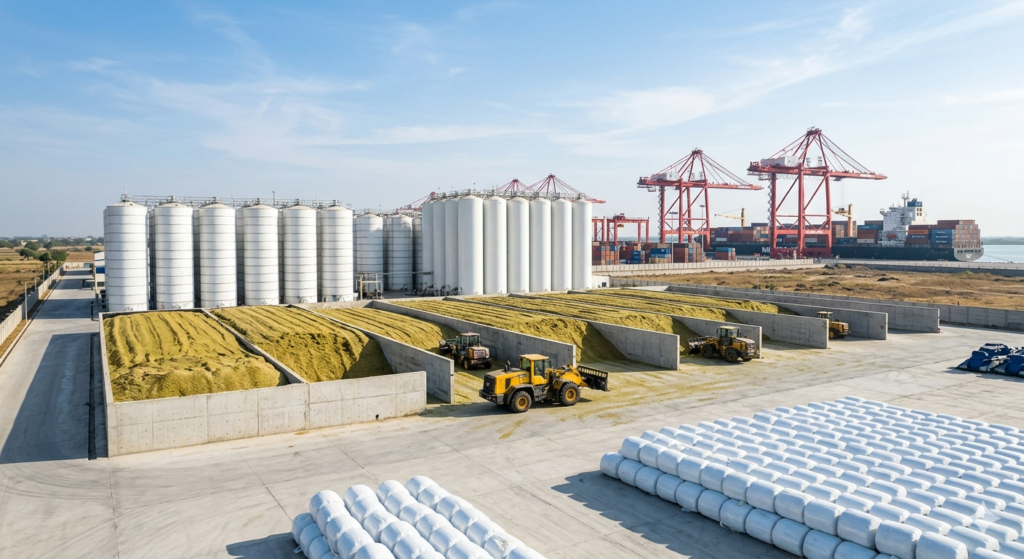
info / March 23, 2026 / Blog Corn Silage for Dairy Cattle: Benefits, Nutrition Facts, and How to Source It Corn silage is the fermented, high-energy forage produced from whole corn plants harvested at the dough stage and stored under anaerobic conditions. For high-producing dairy cattle, it is one of the most valuable roughage sources available — consistently outperforming dry hay and straw in energy density, digestibility, and its positive effect on milk yield. This article explains what corn silage is, why it benefits dairy cows, what its key nutritional values are, and how international buyers can source export-quality corn silage from India. What Is Corn Silage? Corn silage is made by harvesting the entire corn plant — stalk, leaves, and cob — when the grain is at the two-thirds milk-line dough stage. At this point, the plant has reached its highest combination of digestible starch (in the developing grain) and digestible fibre (in the leaves and stalk). The harvested material is chopped, compacted to remove oxygen, and sealed for fermentation. During fermentation, naturally occurring lactic acid bacteria convert plant sugars into lactic acid, which drops the silage pH to 3.8–4.2. This acidic environment preserves the nutritional content and prevents spoilage for 12 months or more in properly sealed storage. Nutritional Profile of Corn Silage Nutrient Typical Value Dry matter 30–35% Metabolizable energy 10–11 MJ/kg DM Crude protein (DM basis) 7–9% Starch content 28–35% DM Neutral detergent fibre (NDF) 40–48% DM pH after fermentation 3.8–4.2 The key figure is metabolizable energy: at 10–11 MJ/kg DM, corn silage delivers 20–25% more energy per kilogram than typical dry hay. For a high-producing cow requiring 130–140 MJ of energy daily, this difference is significant — it means the same intake volume produces substantially more milk. Import permit from DAFF (required for most compound animal feed categories) Phytosanitary certificate issued by India’s National Plant Protection Organisation (NPPO India) — an authorised issuing body operating under DGFT A signed declaration confirming the product is free from specified pests and pathogens Heat treatment certificate for certain product categories (varies by ingredient composition) Compliance with labelling requirements under Australian feed standards The specific requirements depend on the product type and its ingredient composition. Processed compound pellets face different requirements than raw forage or silage. Always verify current import conditions on the DAFF biosecurity imports database before finalising your order. 4 Key Benefits of Corn Silage for Dairy Cows Request a product datasheet and quality test report from any Indian supplier before committing to a shipment. Accredited laboratory analysis is standard for export-grade product from a professional Indian exporter like RaahaExim. 1. Higher Energy Supply for Milk Production Milk synthesis is energy-intensive. When the ration is energy-deficient, cows mobilise body fat — reducing milk output and compromising fertility. Corn silage’s high starch and digestible fibre content provides sustained energy release without triggering rumen acidosis, supporting consistent milk production through peak lactation. 2. Improved Rumen Health Request a product datasheet and quality test report from any Indian supplier before committing to a shipment. Accredited laboratory analysis is standard for export-grade product from a professional Indian exporter like RaahaExim. 3. Year-Round Fodder Security In markets where green forage availability is seasonal — including parts of Europe, Australia, and the United Kingdom — corn silage fills the nutritional gap during winter or dry periods. Properly sealed bales or bunkers maintain nutritional quality for over a year, making silage an effective fodder security strategy. 4. Better Fertility and Herd Longevity Energy balance in early lactation directly affects reproductive performance. Cows in severe negative energy balance after calving take significantly longer to return to oestrus and conceive. Corn silage’s energy density helps cows maintain adequate body condition through peak lactation, improving conception rates and calving intervals. How to Source Export-Grade Corn Silage from India India’s large agricultural base and year-round corn production capacity make it a competitive source for corn silage buyers in Australia, the UK, New Zealand, and Europe. When sourcing from an Indian exporter, confirm: Harvest stage certification (dough stage harvest for maximum starch) Fermentation pH test report (should be 3.8–4.2) Dry matter analysis from an accredited laboratory Airtight packaging for export — vacuum-sealed bales or sealed bulk Phytosanitary certificate and relevant import compliance documentation RaahaExim exports corn silage from Gujarat, India with full quality documentation. Contact us for a product specification sheet and export quotation. Related: Corn Silage vs Dry Hay — Which Is Better for High-Yielding Dairy Cattle? → Post Tags : This post , No term , Example only Share :
How to Import Cattle Feed from India to Australia: A Step-by-Step Guide
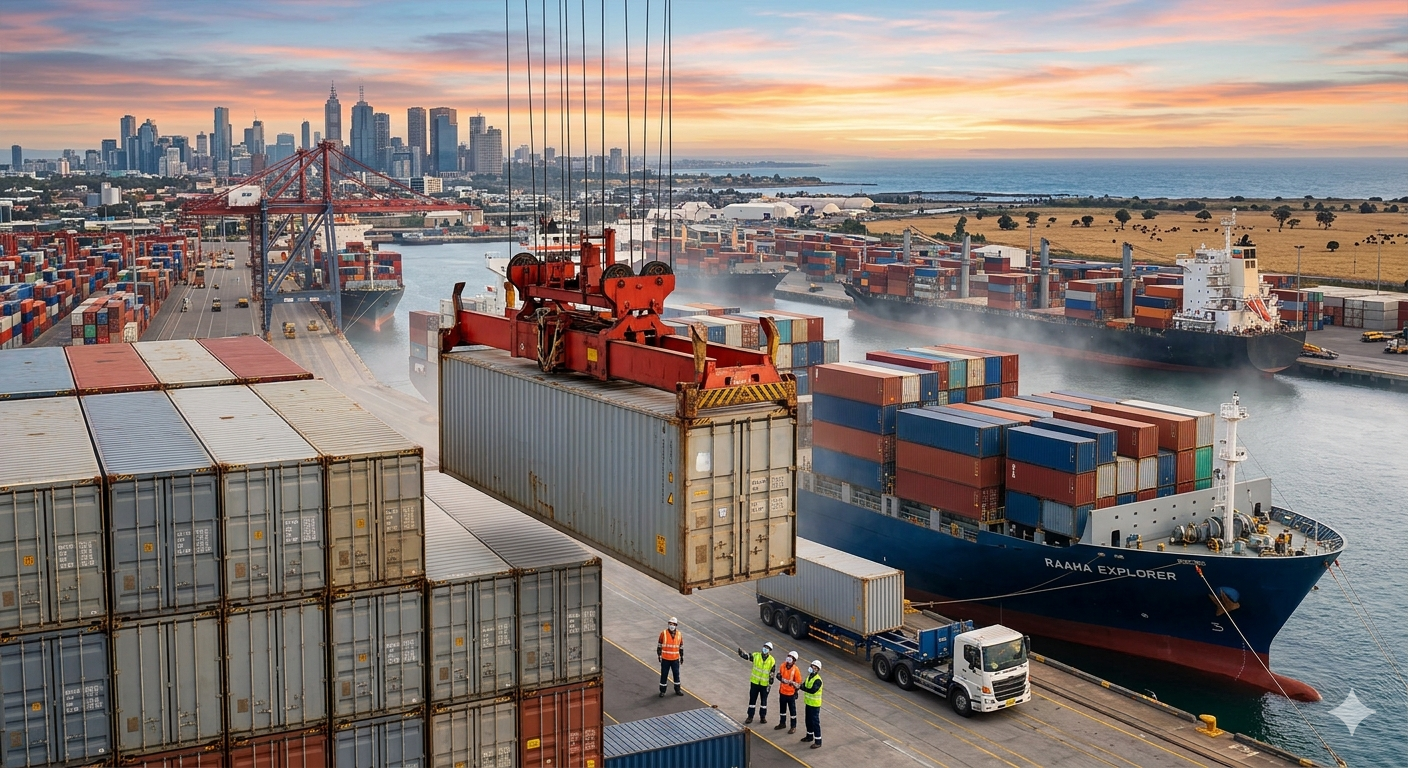
info / March 23, 2026 / Blog How to Import Cattle Feed from India to Australia: A Step-by-Step Guide Importing cattle feed from India to Australia is entirely possible — and for many Australian dairy farmers and feed distributors, it offers meaningful cost advantages over locally produced equivalents. However, Australia has strict biosecurity regulations that govern animal feed imports, and understanding these requirements before placing your first order saves significant time and cost. This guide covers every step of the process, from identifying the right Indian supplier to clearing your first shipment through Australian biosecurity. Step 1: Understand Australia’s Biosecurity Requirements for Animal Feed Imports The Department of Agriculture, Fisheries and Forestry (DAFF) governs all animal feed imports into Australia. Before any shipment can enter the country, the following documentation is typically required: Import permit from DAFF (required for most compound animal feed categories) Phytosanitary certificate issued by India’s National Plant Protection Organisation (NPPO India) — an authorised issuing body operating under DGFT A signed declaration confirming the product is free from specified pests and pathogens Heat treatment certificate for certain product categories (varies by ingredient composition) Compliance with labelling requirements under Australian feed standards The specific requirements depend on the product type and its ingredient composition. Processed compound pellets face different requirements than raw forage or silage. Always verify current import conditions on the DAFF biosecurity imports database before finalising your order. Step 2: Identify the Right Product for Your Herd Australia’s high-producing dairy breeds — primarily Holsteins — require energy-dense, protein-sufficient rations. When sourcing cattle feed from India, confirm the following specifications match your nutritional requirements: Crude protein: minimum 18–22% for lactating dairy cows Metabolizable energy: minimum 11–12 MJ/kg DM Moisture: maximum 12% for safe shipping and storage Pellet size: 6–8mm diameter for standard dairy cattle Request a product datasheet and quality test report from any Indian supplier before committing to a shipment. Accredited laboratory analysis is standard for export-grade product from a professional Indian exporter like RaahaExim. Step 3: Choose the Right Indian Exporter Not every Indian cattle feed manufacturer has export infrastructure. When evaluating suppliers, verify: IEC (Importer Exporter Code) registration — mandatory for any legal Indian export RCMC (Registration cum Membership Certificate) from the relevant export promotion council Experience with DAFF documentation specifically References from existing Australian or international buyers Quality test reports from a third-party accredited laboratory A genuine export company will provide all of these without hesitation. A supplier that cannot produce them should not be trusted for a regulated market like Australia. Step 4: Agree on Shipping Terms For first-time importers, CIF (Cost, Insurance, Freight) to your nominated Australian port is the most practical option — your Indian supplier handles the entire shipment to the Australian port, and you manage customs clearance from there. Common Australian entry ports for agricultural imports include Melbourne, Sydney, Brisbane, and Fremantle. Once you have established the relationship and understand the logistics, FOB (Free on Board) pricing gives you more control and typically lower overall landed cost. Step 5: Manage Customs Clearance in Austral You will need a licensed customs broker to manage DAFF inspection, biosecurity checks, and import duty payment on your behalf. Budget for biosecurity inspection fees and potential treatment costs. Many Australian importers include this cost in their landed cost calculation when comparing Indian vs domestic pricing. Step 6: Plan a Trial Shipment For your first import from India, start with a smaller trial shipment — one 20-foot container — to verify quality against the specifications, confirm documentation accuracy, and understand the full logistics chain before committing to volume purchases. Request a product sample and quality test report before placing the order. Contact RaahaExim to request a sample, product datasheet, and CIF quotation to your Australian port. Related: What Is Cattle Feed and Why Does It Matter for Dairy Farms? → Post Tags : This post , No term , Example only Share :
What Is Cattle Feed and Why Does It Matter for Dairy Farm Profitability
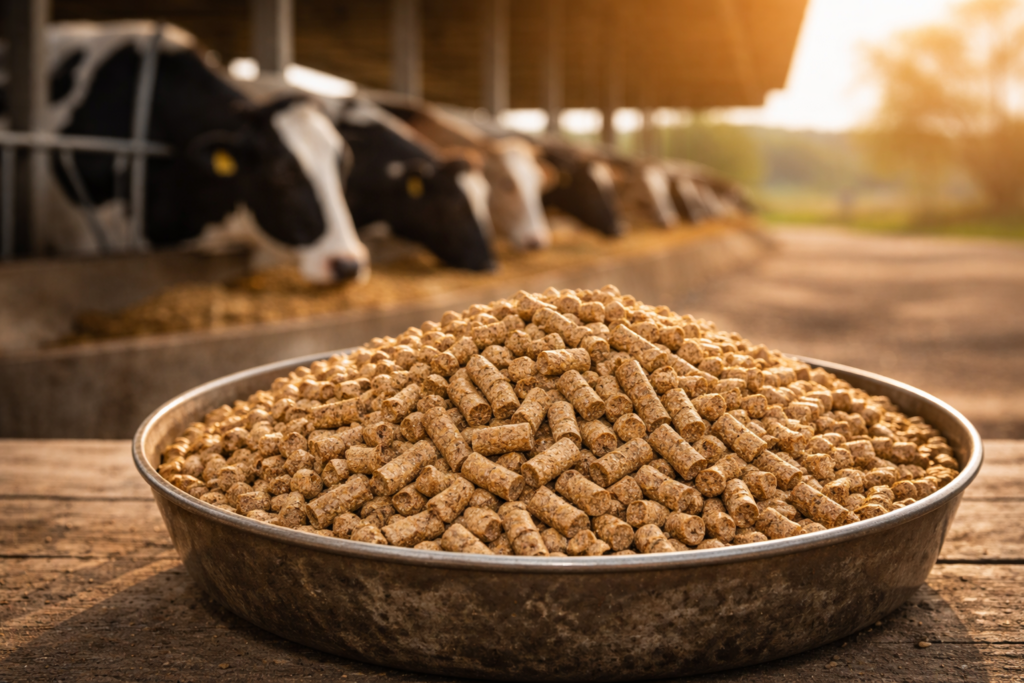
info / March 23, 2026 / Blog What Is Cattle Feed and Why Does It Matter for Dairy Farm Profitability Cattle feed is the complete nutritional input that determines everything a dairy cow produces — from the quantity and quality of her milk to her health, fertility, and longevity. For dairy farmers and feed importers worldwide, understanding cattle feed is the starting point for improving farm outcomes. This guide explains what cattle feed is, what it contains, and why it is the single most important variable in dairy farm profitability. What Is Cattle Feed? Cattle feed refers to any feed material given to dairy or beef cattle to meet their nutritional requirements. For dairy cows, feed must supply six key nutrient groups: energy, protein, fibre, minerals, vitamins, and water. When these six groups are provided in the correct balance for the cow’s stage of production — whether she is in early lactation, mid-lactation, dry period, or transition — the result is a healthy, productive animal that performs to her genetic potential. Compound cattle feed — such as the cattle feed pellets exported by RaahaExim — is a manufactured feed that combines multiple ingredients into a single, balanced product. Each pellet delivers the same nutritional profile, eliminating the variability and selective eating that happens with loose meal or home-mixed rations. What Does Cattle Feed Contain? Energy sources: corn, sorghum, molasses, rice bran, or wheat bran — providing the metabolizable energy cows need for milk synthesis Minerals: calcium, phosphorus, magnesium, sodium, zinc, copper, selenium — supporting bone health, milk composition, and reproductive function Vitamins: A, D, E, and B-complex vitamins — supporting immunity, fertility, and metabolic health Fibre sources: bran, hulls, or chopped straw — supporting rumen motility and pH buffering The proportions of each ingredient are calculated based on the target animal’s daily nutritional requirements — which differ significantly between a cow producing 15 litres per day and one producing 35 litres per day. Why Does Cattle Feed Quality Matter? Milk production is an energy-intensive process. A dairy cow producing 25 litres of milk per day requires approximately 130–140 MJ of metabolizable energy daily. If the feed does not supply this, the cow draws on body fat and muscle — a condition called negative energy balance — which reduces milk output, impairs fertility, and shortens productive life. Beyond energy, milk composition — fat percentage and solids not fat (SNF) — is directly tied to diet. Low-protein rations produce milk with below-standard SNF. Mineral imbalances cause lameness, reproductive failure, and metabolic disease. Each of these problems costs money: in lost milk, in veterinary bills, and in early culling. The Connection Between Cattle Feed and By-Product Quality One less-discussed impact of cattle nutrition is its effect on by-product value. Cow dung from nutritionally balanced cattle contains significantly higher populations of beneficial microorganisms, better texture, and superior burning properties for incense manufacturing — making it worth substantially more to organic farmers and incense producers than dung from poorly fed animals. This creates what progressive dairy operations call the double income model: optimised feed investment pays for itself through higher milk revenue, while premium dung by-products add a second revenue stream. Key Takeaway Cattle feed is not a cost — it is an investment with measurable, trackable returns in milk yield, milk quality, cow health, and by-product value. For farms and feed importers in the USA, UK, Australia, New Zealand, and Europe looking to source export-grade cattle feed from India, contact RaahaExim for a product catalogue and pricing. Post Tags : This post , No term , Example only Share :