Step 1: Understand Australia's Biosecurity Requirements for Animal Feed Imports
The Department of Agriculture, Fisheries and Forestry (DAFF) governs all animal feed imports into Australia. Before any shipment can enter the country, the following documentation is typically required:
The specific requirements depend on the product type and its ingredient composition. Processed compound pellets face different requirements than raw forage or silage. Always verify current import conditions on the DAFF biosecurity imports database before finalising your order.
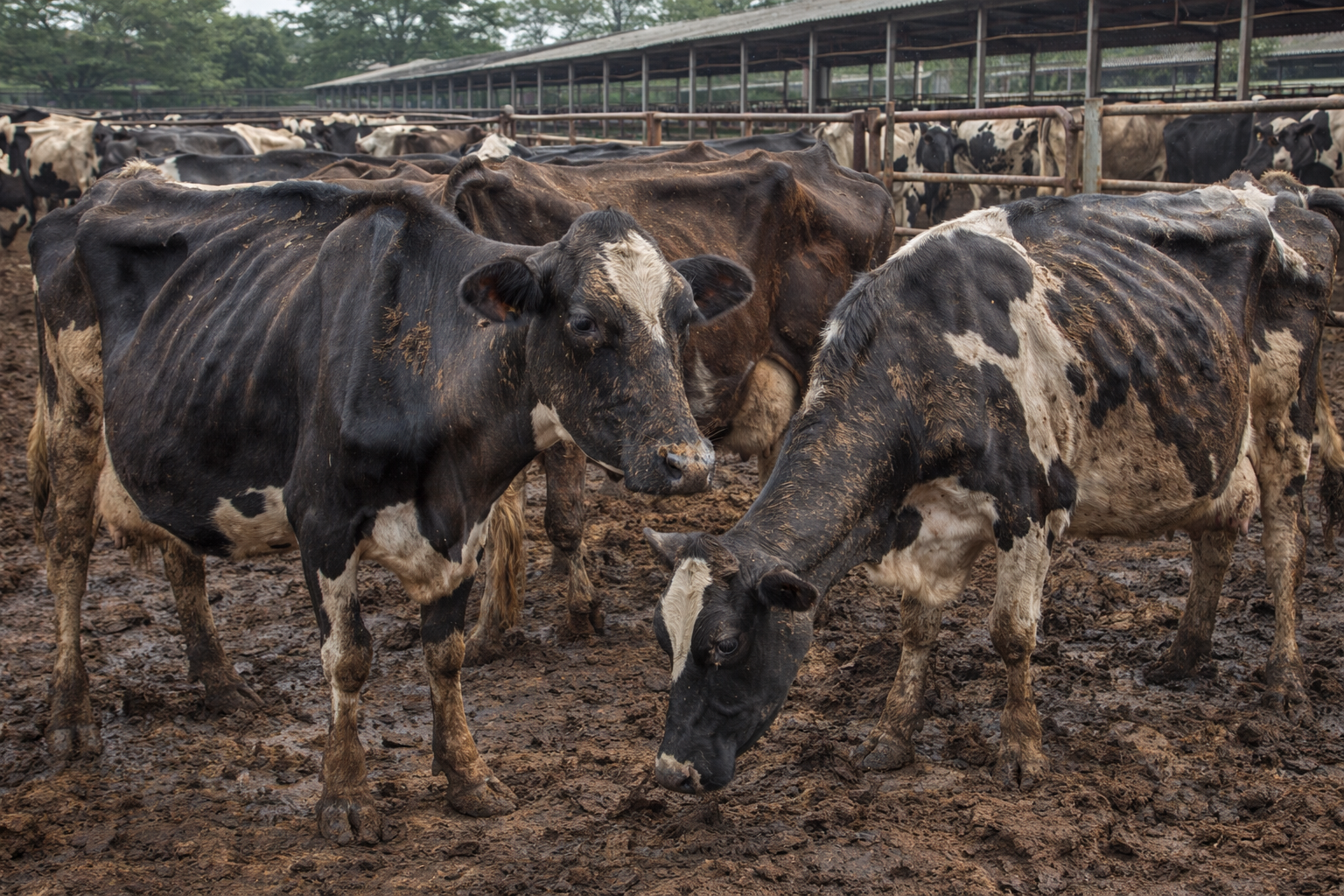
Australia’s high-producing dairy breeds — primarily Holsteins — require energy-dense, protein-sufficient rations. When sourcing cattle feed from India, confirm the following specifications match your nutritional requirements:
Request a product datasheet and quality test report from any Indian supplier before committing to a shipment. Accredited laboratory analysis is standard for export-grade product from a professional Indian exporter like RaahaExim.
Step 3: Choose the Right Indian Exporter
Not every Indian cattle feed manufacturer has export infrastructure. When evaluating suppliers, verify:
A genuine export company will provide all of these without hesitation. A supplier that cannot produce them should not be trusted for a regulated market like Australia.
Step 4: Agree on Shipping Terms
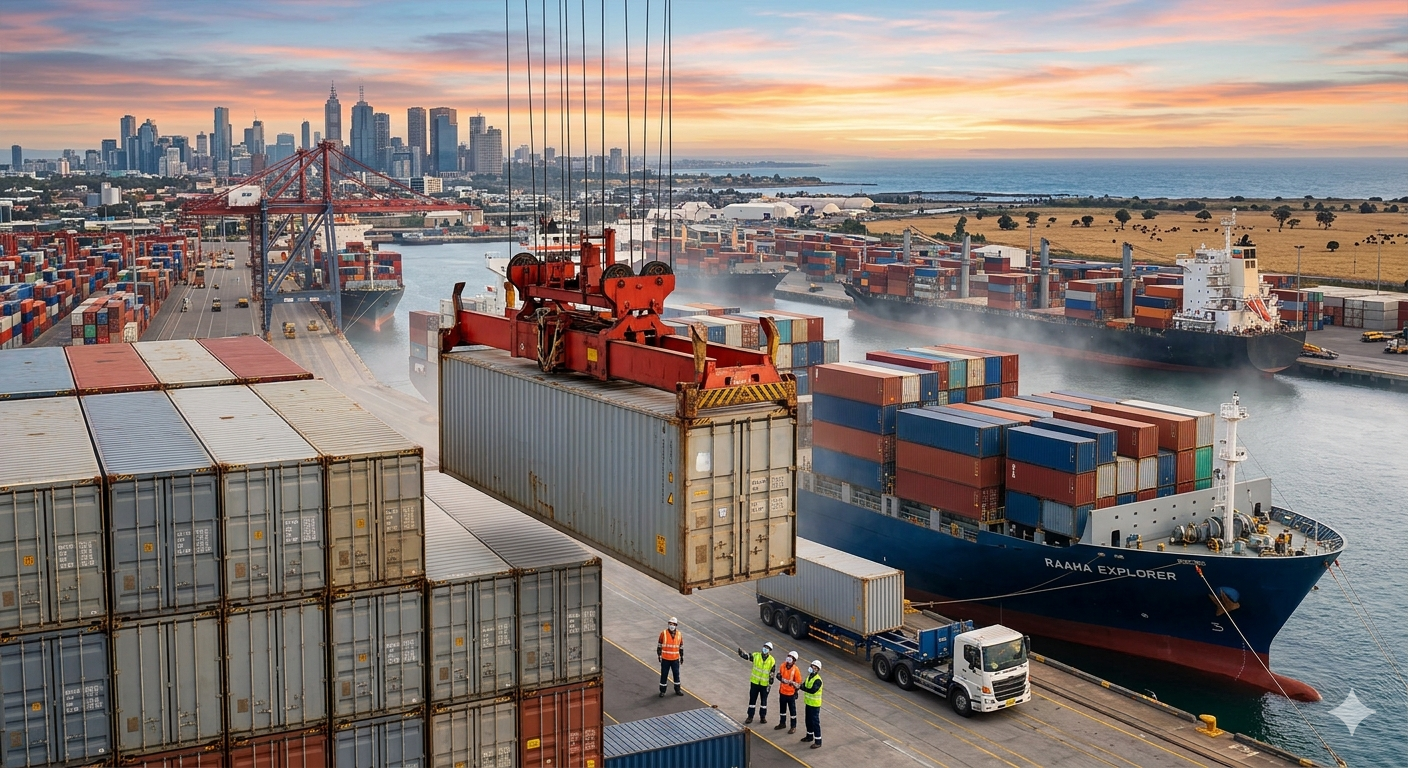
For first-time importers, CIF (Cost, Insurance, Freight) to your nominated Australian port is the most practical option — your Indian supplier handles the entire shipment to the Australian port, and you manage customs clearance from there. Common Australian entry ports for agricultural imports include Melbourne, Sydney, Brisbane, and Fremantle.
Once you have established the relationship and understand the logistics, FOB (Free on Board) pricing gives you more control and typically lower overall landed cost.
Step 5: Manage Customs Clearance in Austral
You will need a licensed customs broker to manage DAFF inspection, biosecurity checks, and import duty payment on your behalf. Budget for biosecurity inspection fees and potential treatment costs. Many Australian importers include this cost in their landed cost calculation when comparing Indian vs domestic pricing.
Step 6: Plan a Trial Shipment
For your first import from India, start with a smaller trial shipment — one 20-foot container — to verify quality against the specifications, confirm documentation accuracy, and understand the full logistics chain before committing to volume purchases.
Request a product sample and quality test report before placing the order.
Contact RaahaExim to request a sample, product datasheet, and CIF quotation to your Australian port.
Related: What Is Cattle Feed and Why Does It Matter for Dairy Farms? →