What Is Cattle Feed?
Cattle feed refers to any feed material given to dairy or beef cattle to meet their nutritional requirements. For dairy cows, feed must supply six key nutrient groups: energy, protein, fibre, minerals, vitamins, and water.
When these six groups are provided in the correct balance for the cow’s stage of production — whether she is in early lactation, mid-lactation, dry period, or transition — the result is a healthy, productive animal that performs to her genetic potential.
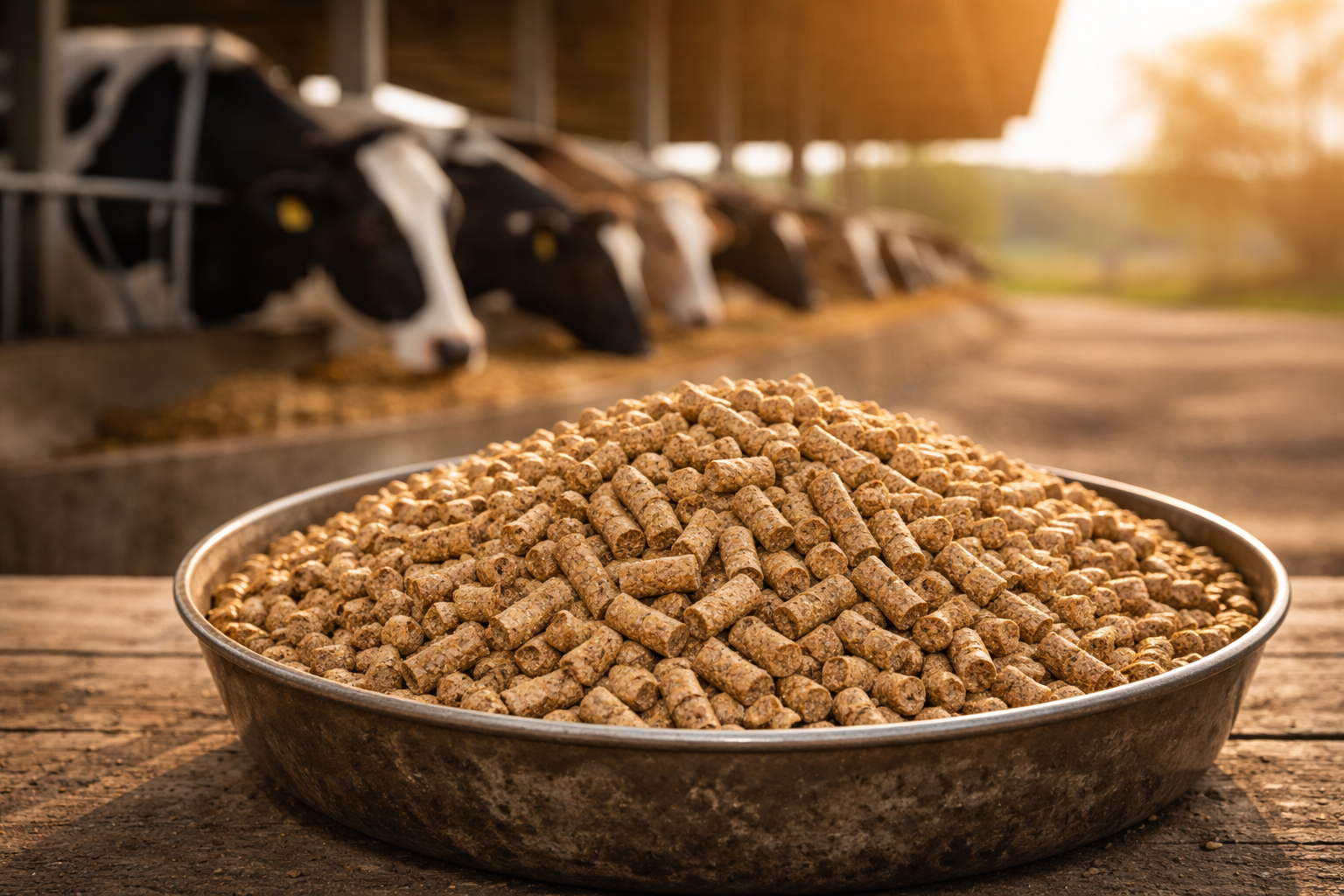
Compound cattle feed — such as the cattle feed pellets exported by RaahaExim — is a manufactured feed that combines multiple ingredients into a single, balanced product. Each pellet delivers the same nutritional profile, eliminating the variability and selective eating that happens with loose meal or home-mixed rations.
The proportions of each ingredient are calculated based on the target animal’s daily nutritional requirements — which differ significantly between a cow producing 15 litres per day and one producing 35 litres per day.
Why Does Cattle Feed Quality Matter?
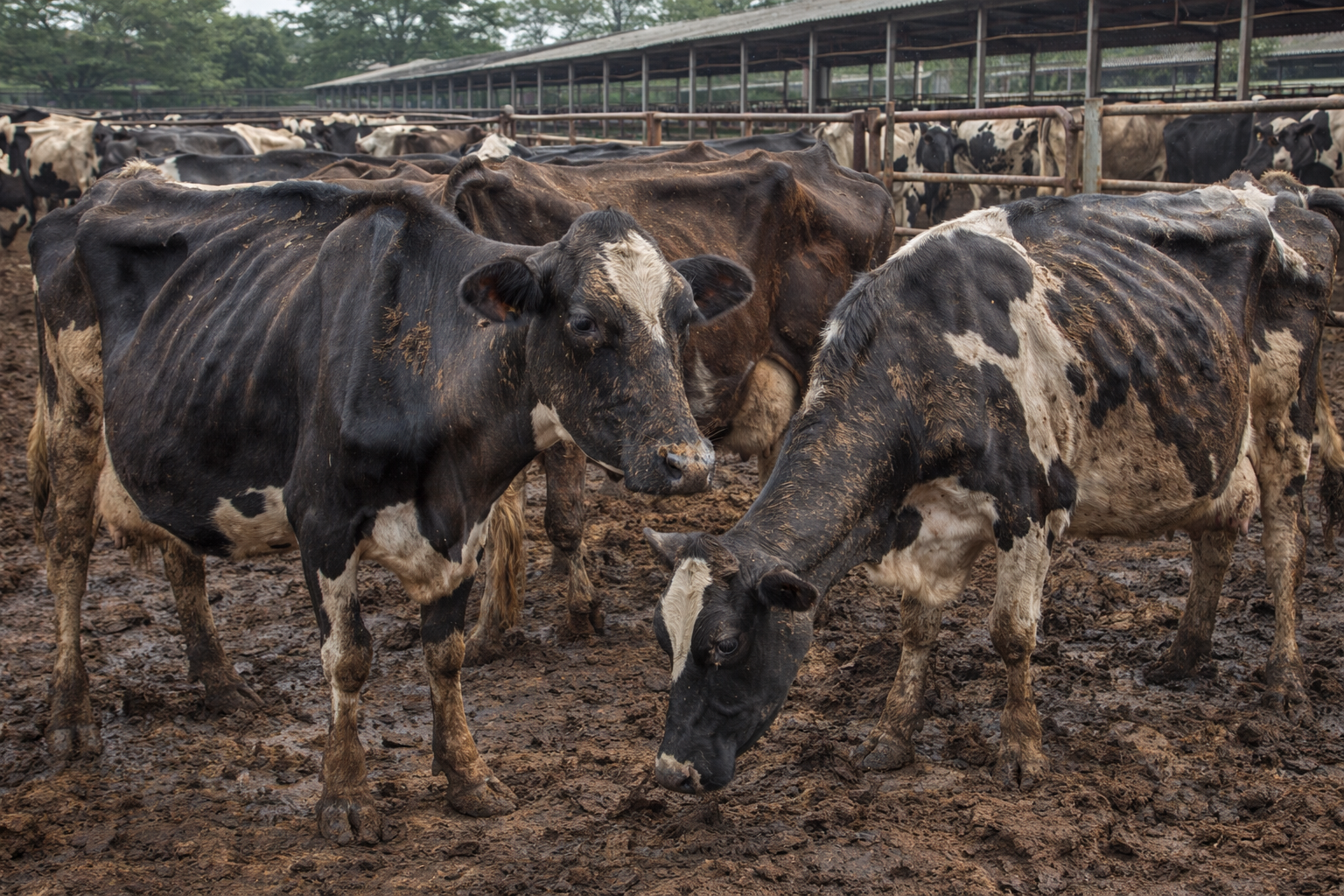
Milk production is an energy-intensive process. A dairy cow producing 25 litres of milk per day requires approximately 130–140 MJ of metabolizable energy daily. If the feed does not supply this, the cow draws on body fat and muscle — a condition called negative energy balance — which reduces milk output, impairs fertility, and shortens productive life.
Beyond energy, milk composition — fat percentage and solids not fat (SNF) — is directly tied to diet. Low-protein rations produce milk with below-standard SNF. Mineral imbalances cause lameness, reproductive failure, and metabolic disease. Each of these problems costs money: in lost milk, in veterinary bills, and in early culling.
The Connection Between Cattle Feed and By-Product Quality
One less-discussed impact of cattle nutrition is its effect on by-product value. Cow dung from nutritionally balanced cattle contains significantly higher populations of beneficial microorganisms, better texture, and superior burning properties for incense manufacturing — making it worth substantially more to organic farmers and incense producers than dung from poorly fed animals.
This creates what progressive dairy operations call the double income model: optimised feed investment pays for itself through higher milk revenue, while premium dung by-products add a second revenue stream.
Key Takeaway
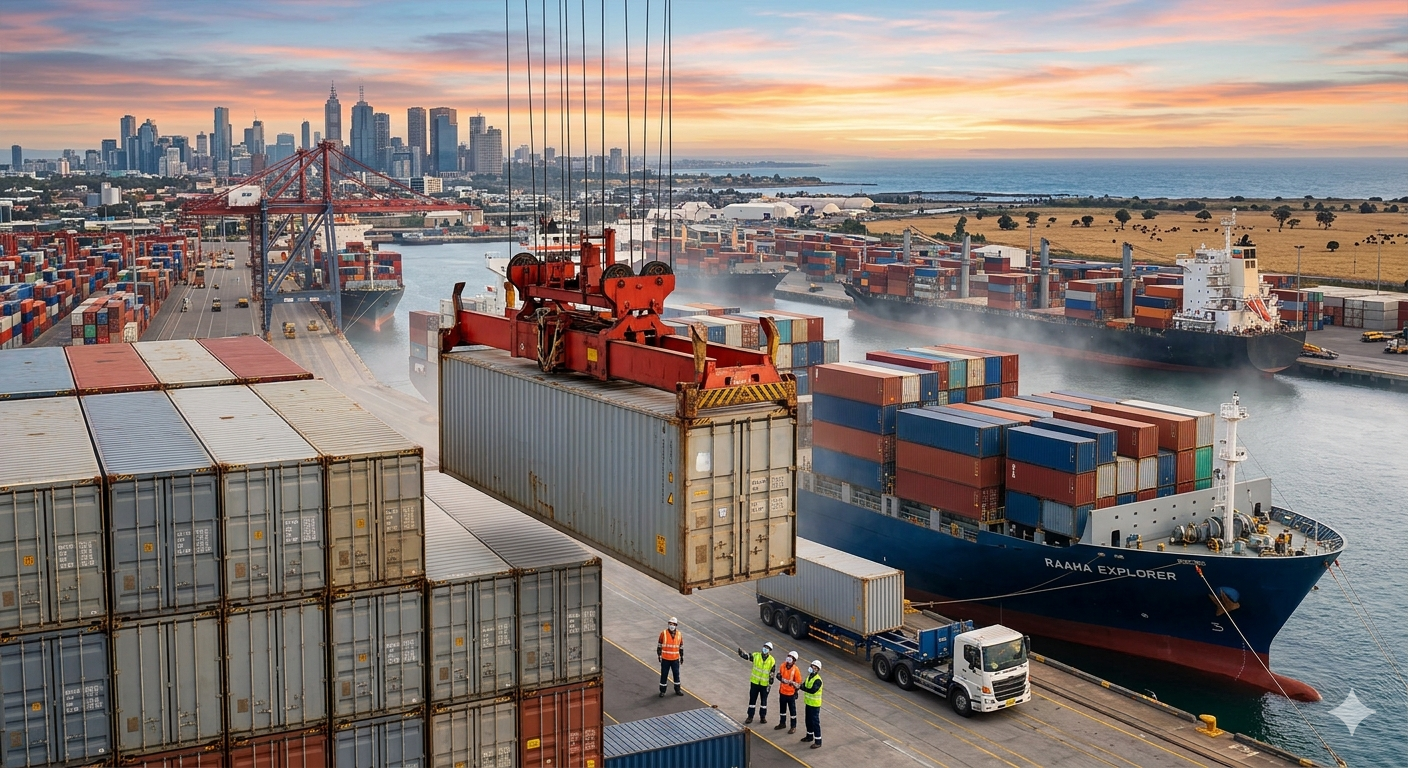
Cattle feed is not a cost — it is an investment with measurable, trackable returns in milk yield, milk quality, cow health, and by-product value. For farms and feed importers in the USA, UK, Australia, New Zealand, and Europe looking to source export-grade cattle feed from India, contact RaahaExim for a product catalogue and pricing.